

Ah, the mosquito. Who isn’t familiar with it? The buzz in your ear, then the sting as you smack yourself in the side of the head.
And, boy, are they out with a vengeance this year. If you live in the less-paved parts of New England, you’ve probably noticed their higher-than-average abundance. We’ve had one of the rainiest summers on record here in Maine, which means the mosquitoes have found themselves with all the stagnant water they could wish for.

I’ve gotten calls for weeks from folks under siege, asking what they can do to manage these marauding monsters, several willing to resort to chemicals for the first time. One client joked about replacing his bug zapper with an electric chair. I can relate. My shadowy, forested lair is a mosquito haven in a dry year. This summer? I’m keeping the dogs on leashes so the conniving culicids can’t fly off with them.
The deadliest animals on earth
Mosquitoes aren’t just an itchy nuisance. They sicken millions annually by vectoring the malaria, dengue, and yellow fever pathogens, among others. The cost is tremendous in some parts of the world, not only in lives and misery but the billions spent to treat those illnesses and manage mosquitoes.
In the U.S., mosquitoes don’t quite hold our health and economy hostage, but they’re still a serious pest and public health threat. Dozens of people die here every year from mosquito-borne diseases, and hundreds more become severely ill.
A dainty demon
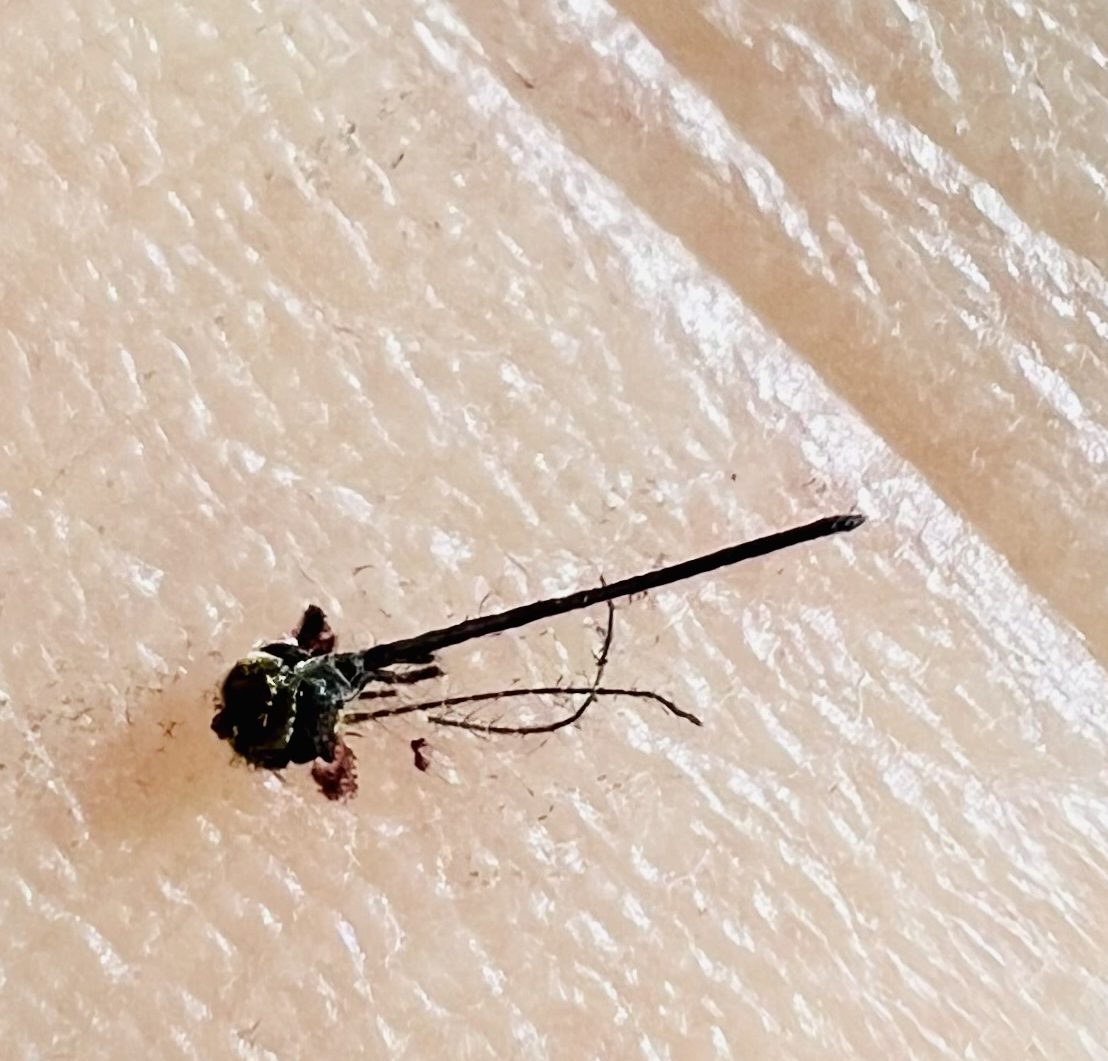
Adult mosquitos are slender and long-limbed. Their scaly wings and the syringes on their faces set them apart from other delicate flies. Very different from the adults, the limbless larvae wield brushes, which they use to strain food particles from their aquatic environment. The heads and thoraxes fuse and enlarge when they become pupae, creating odd, comma-shaped critters, while the abdomen remains free to propel them through the water.
Tropical terror
As with many other insects, mosquitoes are most abundant in the tropics, both in the number of species and individuals. Mosquitoes fly whenever the temperature reaches 50 ℉ and can breed continuously in places where it rarely drops below this temperature, allowing them to run rampant.
That’s not to say temperate regions don’t have plenty. In Maine, we have more than 40 species, and there’s enough flying around that they spill into my home and car every time I open the doors.
The only places mosquitoes don’t terrorize mammals and birds are the Antarctic and, for reasons that scientists have yet to elucidate, Iceland.
The productivity of puddles
Mosquitoes’ life cycles and habits vary widely by species, but they have one thing in common—their larvae need standing water. Without water, mosquito eggs won’t hatch. Depending on the species, as little as a bottlecap’s worth will do. While some mosquitoes breed in relatively fresh, clean water, others thrive in polluted, opaque stews, brackish backwaters, or briny salt marshes.
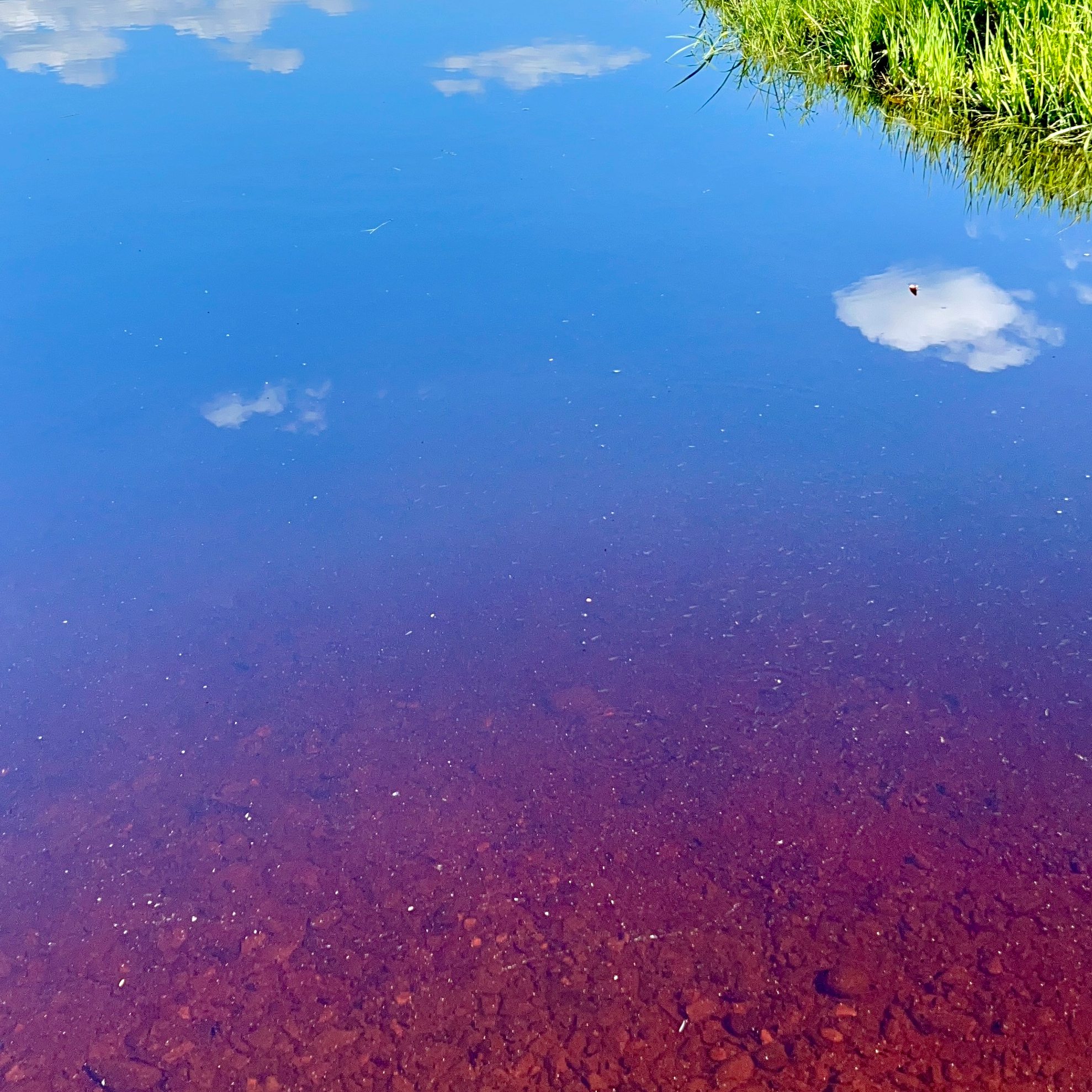
In Maine and other northern regions, transient pools formed by melting snow provide the perfect mosquito habitat for churning out late spring and early summer biters. Other prime larval habitat includes small ponds, ditches, tree holes, culverts, clogged gutters, unchlorinated pools, rain barrels, buckets, pet bowls, tarps, and tires. Mosquitoes love tires. They don’t love flowing water. So keep it moving or dump it out.
Mosquito life cycles
Females deposit their oblong offspring on the water’s surface or in depressions destined to flood. Some eggs can survive for years, waiting to be unleashed after flooding rains. Once the eggs hatch, most larvae hang out upside down just below the water’s surface. There, they can breathe through tubes or holes on their hind ends and feed by straining microorganisms or decaying matter from the water column until disturbed. Then they’ll wiggle, convulsing toward the sediment to escape predators. The larvae molt three times before they pupate. Unlike most insects during this stage, mosquito pupae know how to get around. They thrash their abdomens to propel themselves toward the depths. Adults emerge from pupae at the water’s surface and float on their cast skins while their wings dry. They can live for up to a couple of months in humid conditions. In warm weather, some species complete their life cycles in a week. Where mosquitoes must overwinter, most do it as eggs or adult females, but a few species overwinter as larvae.
Blood and nectar (I think that’s what I’ll call Book 3)
Adult mosquitoes fuel their flights with sugars from nectar and sap. Though delicious, these fluids don’t supply the proteins needed for egg development. That’s why females hunt for a blood meal before laying their eggs. Some feed every few days to nourish each new batch. A mosquito’s preference varies by species. Though many bite birds and a few feed from frogs, most mosquitoes pursue mammals. Some will drink blood from just about whatever has it.
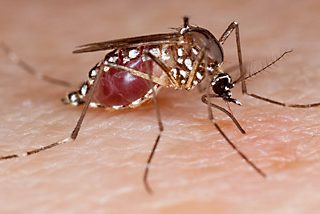
Photo courtesy of USDA-ARS by Stephen Ausmus.
Like any good vampire, the mosquito stalks its prey from the shadows. Plenty bite during the day, but they desiccate quickly out in the open on a hot, sunny day. So, many species concentrate their activity around dusk and dawn. Often some shady vegetation or cloud cover provides all the darkness they need to cause havoc.
Mosquitoes usually hunt within a few miles from home. They make short flights, then rest in protective vegetation, hopscotching their way to blood.
Mosquitoes that create buzz
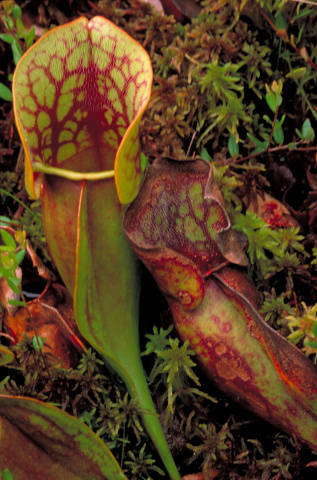
- My favorite culicid—the aptly-named pitcher plant mosquito (Wyeomyia smithii)—develops in water collected inside the carnivorous pitcher plant. It even overwinters there, frozen in pitcher-shaped chunks of ice. This species doesn’t require a blood meal, obtaining all the protein it needs as larvae from the remains of the pitcher plant’s prey.
- One mosquito species, Uranotaenia sapphirina, sucks the blood of worms and leeches.
- The larvae of the cattail mosquito, Coquillettidia perturbans, breathe by poking a tube into the oxygen-rich tissues of cattails and other aquatic plants rather than hanging out at the surface.
- Females of the eastern salt marsh mosquito (Ochlerotatus sollicitans) will hunt up to 100 miles from their salty origins for blood.
- Instead of filter feeding, the larvae of some Toxorhynchites species prey upon other mosquito larvae.
Purveyors of parasitic protozoa
The ability of some mosquitoes to vector Plasmodium parasites, the cause of malaria, makes them humanity’s worst animal enemy. Females of the genus Anopheles pick up these parasites from infected individuals forever after injecting them into people they bite. The parasites migrate to the liver, then multiply before infiltrating and destroying the host’s red blood cells. They’ve been at it since before humans were humans and spread across the globe with us. Today, malaria’s burden falls on poor, tropical regions where it still kills hundreds of thousands (80% of them young children) each year and sickens millions more. But malaria once plagued most of the world, including much of Europe and the United States, up into Canada. With intense mosquito management, improved living conditions, and medical advancements, this disease was eliminated from most of North America. Still, with malaria so prevalent in some areas and so much international travel, around 1,700 cases come into the U.S. annually. The mosquitoes that vector malaria remain here and sometimes bite infected travelers, then feed again, causing localized outbreaks. Fortunately, the quality of medical care and housing available to most U.S. residents makes a large-scale reintroduction unlikely. Although prophylaxes aren’t 100% effective, malaria is preventable and treatable. A vaccine now exists for children.
Arboviruses and the bird biters
In the Northeast, the most dangerous mosquitoes live near us at high densities, feed multiple times, and prefer flying feathered prey, only taking advantage of slow, bare-skinned blood bags on occasion. Since birds are reservoirs for several arboviruses (ARthropod-BOrne VIRUSES), these mosquitoes are the most likely to infect us with a disease. In Maine, the arboviral risk to humans is generally highest in August and September since mosquitoes have had the summer to infect more birds and become infected.
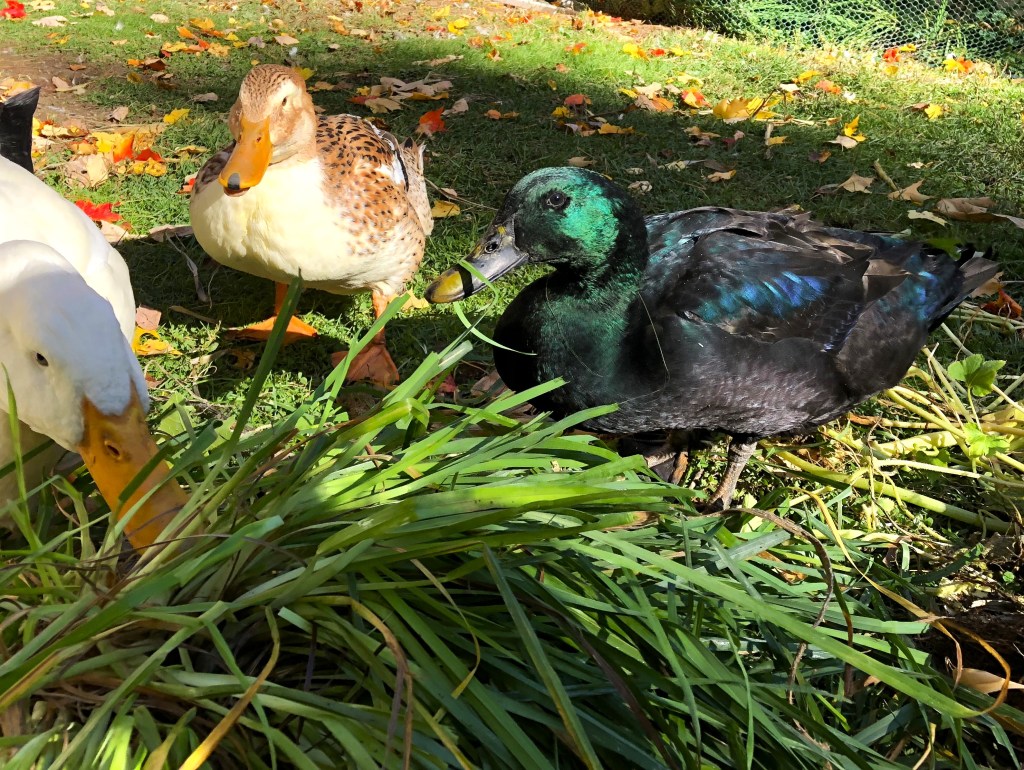
The arboviruses of most concern are West Nile Virus and Eastern Equine Encephalitis (EEE). Both viruses reproduce in birds and can cause severe illness when transmitted to humans and horses. Researchers believe most infected people never display symptoms, but for individuals who develop encephalitis, permanent disability or death is typical. Young children and adults over 50 are most at risk.
Don’t forget the pet
Mosquitoes transmit heartworm, which kills thousands of dogs each year. A monthly pill can prevent the disgusting nematodes from nestling in our pups’ right ventricles. Though rarer, cats and ferrets can also get heartworms.
The battle plan
Step 1 – Don your armor
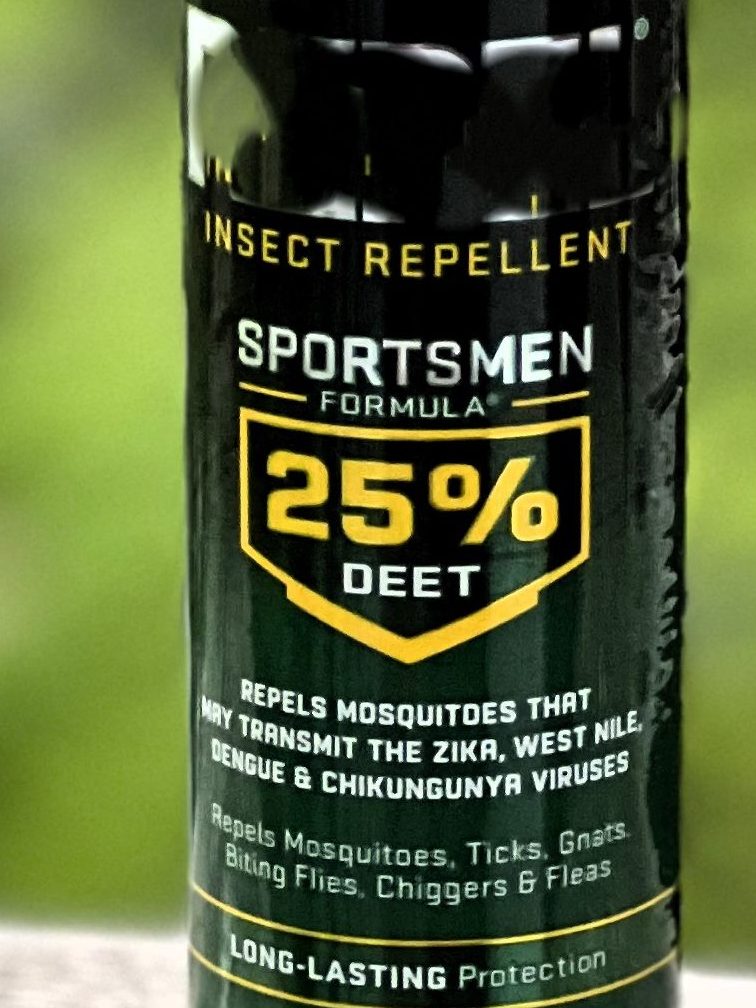
Light-colored, long-sleeved clothing and a repellent containing 10-30% DEET should prevent most mosquito bites. DEET has been available to the public for over 50 years and is used by millions annually, with few reports of severe reactions. The Centers for Disease Control and Prevention and the American Academy of Pediatrics recommend using DEET to prevent arthropod-borne diseases in children older than two months. For individuals sensitive to DEET (and those who don’t like the smell or greasiness), products containing picaridin or IR3535 are effective alternatives. Oil of lemon eucalyptus can also repel mosquitoes for several hours but isn’t safe for children under three. When using repellents, always follow all label directions. Do not let children apply repellents themselves.
Step 2 – Destroy the nurseries

Mosquitoes need standing water to multiply. Although we can’t do much about snowmelt pools and rain puddles, reducing the availability of stagnant water can curtail their population. Anything accessible to mosquitoes that holds water will breed them. Remember, some mosquitoes only need a bottlecap’s worth. So, remove the junk in the yard, turn it over, cover it, drill holes for drainage, or dump it out weekly. Tarps and other coverings should be tight, so they don’t sag and collect water. Change the water in kiddie pools, birdbaths, and pet bowls at least every week. Oh, and unclog the gutters.
Removing habitat used by adult mosquitoes won’t reduce their numbers much but can result in fewer bites. Adults need shaded, protected resting areas to shelter from the sun and avoid desiccation. So, keep the grass mowed and prune trees and bushes to let in as much sun and airflow as possible.
Neighborhood and community-wide management of larval habitat provides the best control. Plugged-up roadside ditches, stormwater basins, and urban wetlands create ideal mosquito breeding sites. Clearing them out makes them less favorable to larvae.
Step 3 – Employ technical superiority
Personal experience tells me mosquitoes will wait at the door until it opens, but if you’re getting bit indoors, repair any holes in window screens and seal any cracks to exclude more mosquitoes. Screens will prevent bites outdoors in small areas, like patios, porches, and gazebos, and mosquito nets for beds, hammocks, chairs, pack n’ plays, and strollers are available.
Propane-powered traps baited with carbon dioxide can catch a lot of mosquitoes but may not prevent bites. They’re not more attractive than a juicy, scantily clad human, so they must be placed between the mosquito source and the people to work.
Step 4 – Summon your allies(?)
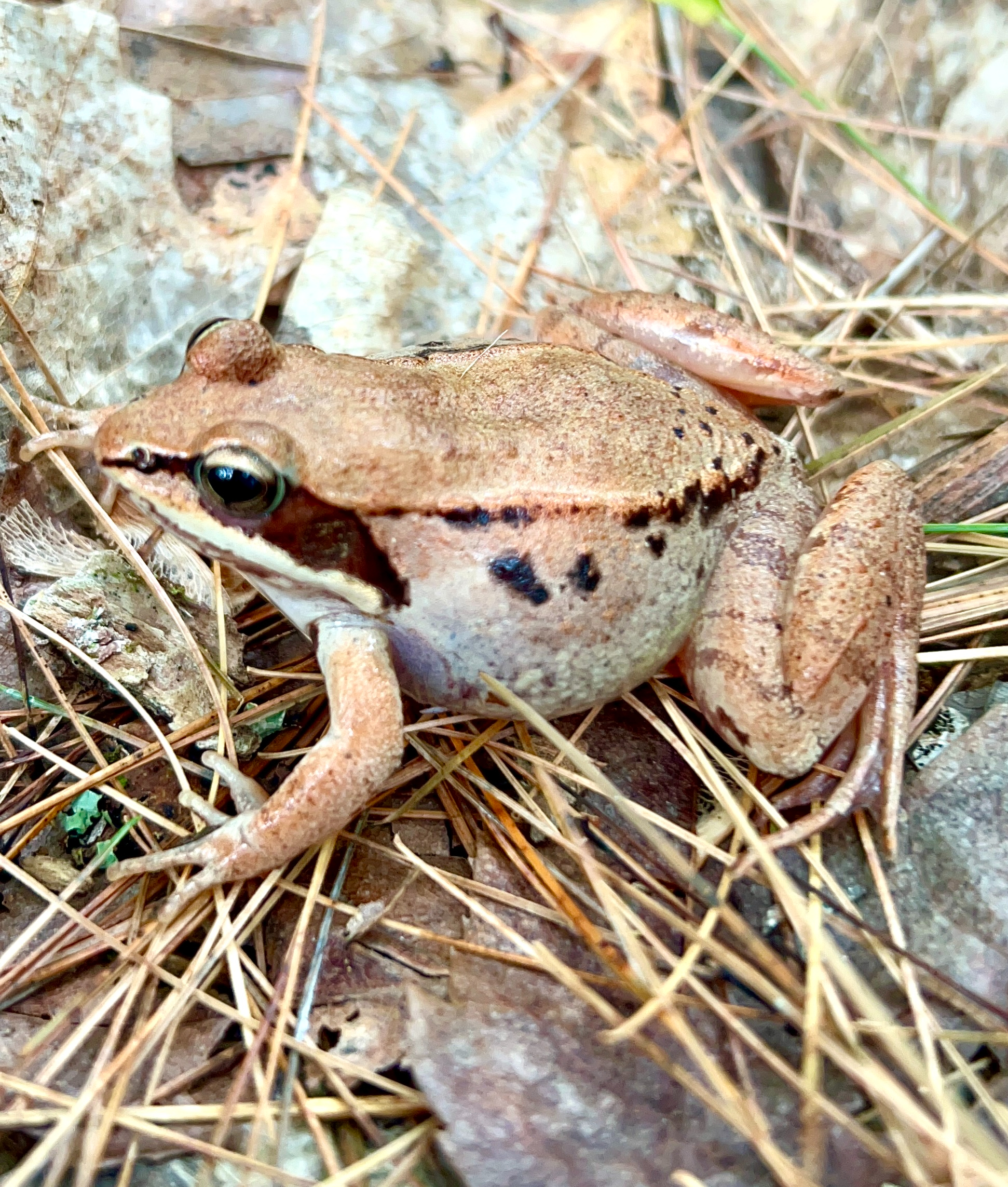
It doesn’t hurt to encourage the bats, birds, frogs, fish, and predatory insects that eat mosquitoes, but they’re unlikely to make a dent in the mosquito population. These animals usually target bigger and juicier insects. The western mosquitofish (Gambusia affinis) can control larvae in small ponds, but they should never be released where they aren’t native. They’re illegal in Maine because of their potential to become an invasive pest.
Step 5 – Chemical weapons
Larvicides applied to standing water can provide effective long-term control and come in lower-risk formulations like pellets, briquettes, and water-soluble pouches. Bacillus thuringiensis subspecies israelensis (Bti) is often the active ingredient of choice. It’s a bacterium that kills mosquito larvae by producing a toxin when they consume it. Bti only works on aquatic fly larvae; it doesn’t kill other insects. Unless the water body is confined to your property, individuals need approval from the DEP to apply any pesticide to aquatic sites in Maine, however.
While fogging and spraying for adult mosquitoes has become popular in recent years, except for public health emergencies, this should be the last resort. Government spray programs may reduce mosquito numbers, but the broad-spectrum chemicals often used to kill adults present safety and environmental concerns. And unless the problem mosquitoes are very short-ranging species, spraying for adults on individual properties won’t reduce mosquito abundance for long. These sprays may be helpful before an outdoor wedding or other important event but aren’t a sound long-term management strategy.
Beware of the snake oil peddlers!
Folklore and gimmicks abound around solving pest problems and circulate constantly on social media. Here are some enduring ones about mosquitoes.
Bug zappers – Though the crack of electricity as an insect meets its end might satisfy many of us, that’s about all bug zappers are good for. Yes, they attract insects, but they kill more predators of mosquitoes than mosquitoes themselves.
Ultrasonic devices – These appear to, if anything, attract mosquitoes.
Citronella candles and torches – Citronella oil repels some mosquitoes, but rarely more than a few inches from the candle or torch itself. The number needed to drive hungry mosquitoes from an area would be legion.
Mosquito plants – Similar issue. These plants contain repellent extracts, but that doesn’t mean they exude those chemicals in concentrations high enough to push mosquitoes from a patio.
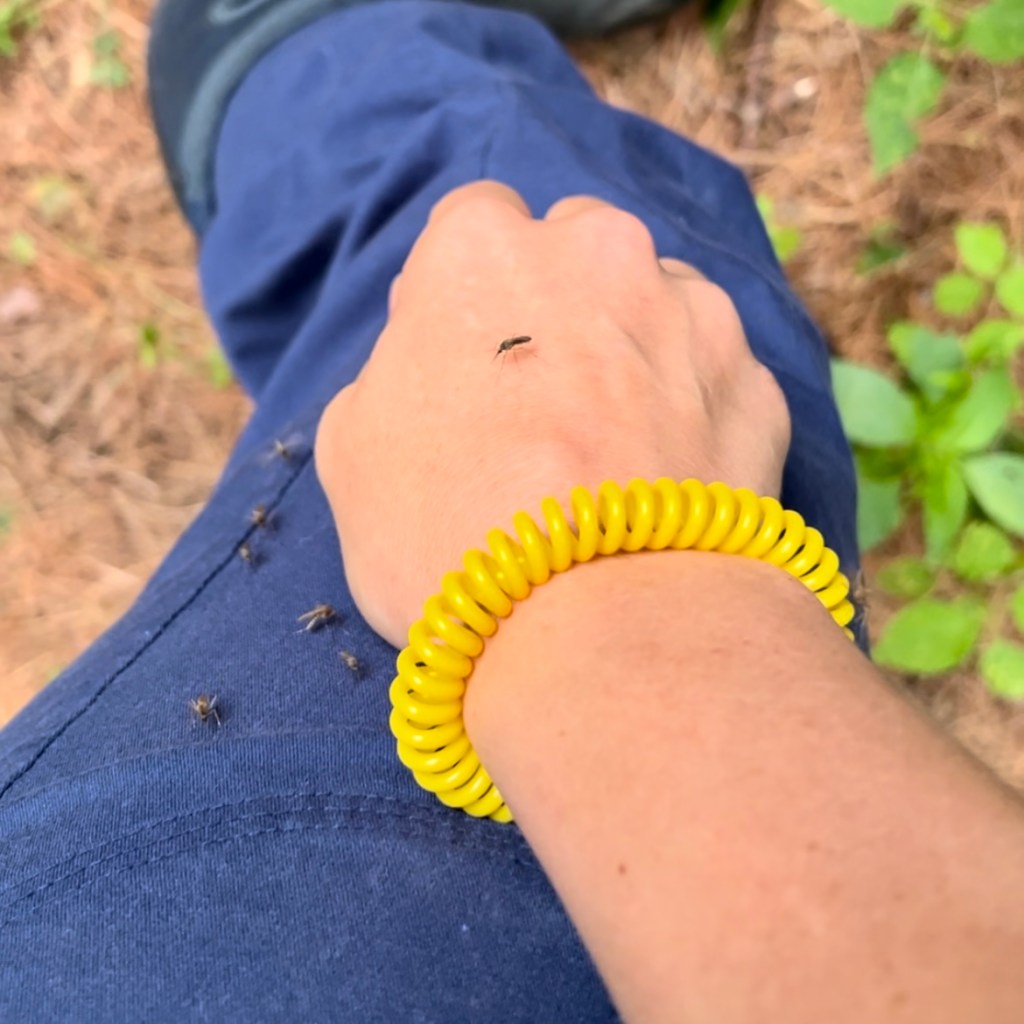
Bands, stickers, and patches – I’ve yet to find a valid study demonstrating that these repel mosquitoes from an appendage, never mind an entire person.
Eating a lot of garlic – Okay, this will make some of us repellent.
So, can we weather this weather?
In most years, Maine mosquito activity peaks in late June. So far, in 2023, they’ve shown no sign of slowing down. The torrents of rain, hideous humidity, and hellish heat have them in rare form. Unless the weather turns dry, we’ll have to wait until mid-September for a reprieve. And we aren’t the only part of the U.S. having a miserable mosquito year. This summer, we’ve seen a handful of folks with locally acquired malaria infections in Florida and Texas—for the first time in twenty years.
I’ve always loved the summer heat, but if it comes with a sopping side of mosquitoes, I’ll take a snowstorm any day.
Resources
Bernard, K.W. 2023. Category 7E Manual: Biting Fly and Other Arthropod Vectors Management. University of Maine Cooperative Extension.
Mosquito Biology, University of Maine Cooperative Extension
Lyme and Vector-Borne Disease Lab, MaineHealth Institute for Research
Mosquito-Borne Diseases, Maine Center for Disease Control and Prevention
Mosquitoes, Centers for Disease Control and Prevention
Malaria, World Health Organization
Locally Acquired Malaria Cases Identified in the United States, CDC Health Alert Networ
Choosing and Insect Repellent for Your Child, American Academy of Pediatrics

 K.W. Bernard