February Monsters of the Month – A Real Maine Monster – Browntail Moth

February is browntail moth awareness month in Maine.

The browntail moth (Euproctis chrysorrhoea) is a real-life monster of Maine. Often described as “flying poison ivy”, it can be a literal pain in the ass (especially if you dry your underwear by clothesline). While the adult moth is harmless, if not cute, its nightmarish caterpillars arm themselves with barbed, toxic hairs that embed in the skin. One might think to escape the caterpillars’ wrath by avoiding contact with them, but that’s easier said than done amidst an outbreak. Never mind that they shed their hairs every time they molt, raining them down from the treetops. Those tiny, noxious harpoons can stay active in the environment for up to three years, turning yard work from a task to a trial. For those with sensitive lungs, stirring them up on a dry day might mean a trip to the hospital beside the nasty rash.

Description. Fittingly hideous, the caterpillars are a drab brownish gray and sparsely covered in long, spiny, rust-colored hairs. They have broken yellow-white strips down either side of their backs and bear a pair of conspicuous red-orange spots near their posteriors. Adult moths are furry, little, snow-white chonks with tufts of cinnamon-brown hair at the end of their abdomens. Caterpillars build small nests in which to overwinter at the tips of branches. The gleaming, stark white silk that binds the base of leaves makes the nests easy to identify on sunny winter days.

Distribution. After almost a century of exile on a few coastal islands, this monster has spent the last decade or so rampaging halfway up the state with a vengeance. Though it spread throughout New England, New Brunswick, and Nova Scotia during its first outbreak in the early 1900s, today, this curse afflicts little beyond Maine’s state lines.

Habitat. These wriggly beasts thrive along the coast and in the Augusta area. Warm, dry springs seem to favor high populations.

Diet. Caterpillars feed on hardwood species, especially oak, birch, and fruit trees. They branch out when desperate, even sampling conifers at high populations. They can cause significant defoliation in deciduous forests. 

Life cycle. Eggs hatch in late summer, and caterpillars feed briefly before building small, communal nests at the tips of branches, where they spend the winter.

Battle plan. Arm yourself with clippers and poll pruners when warring with the browntail moth. Though labor intensive, removing the winter webs from trees provides the best and most environmentally friendly chance of victory. Large trees may require a bucket truck or a licensed arborist. Make sure to destroy the nests with fire or soapy water once excised. If resorting to chemical warfare, hire a professional. Treat as soon as caterpillars have left their winter webs. Late spring and early summer applications won’t kill many caterpillars or prevent the toxic hairs from building up in the landscape. Engaging adult moths in battle isn’t recommended.

Resources – For more on the browntail moth, see the Maine Forest Service or University of Maine Cooperative Extension.
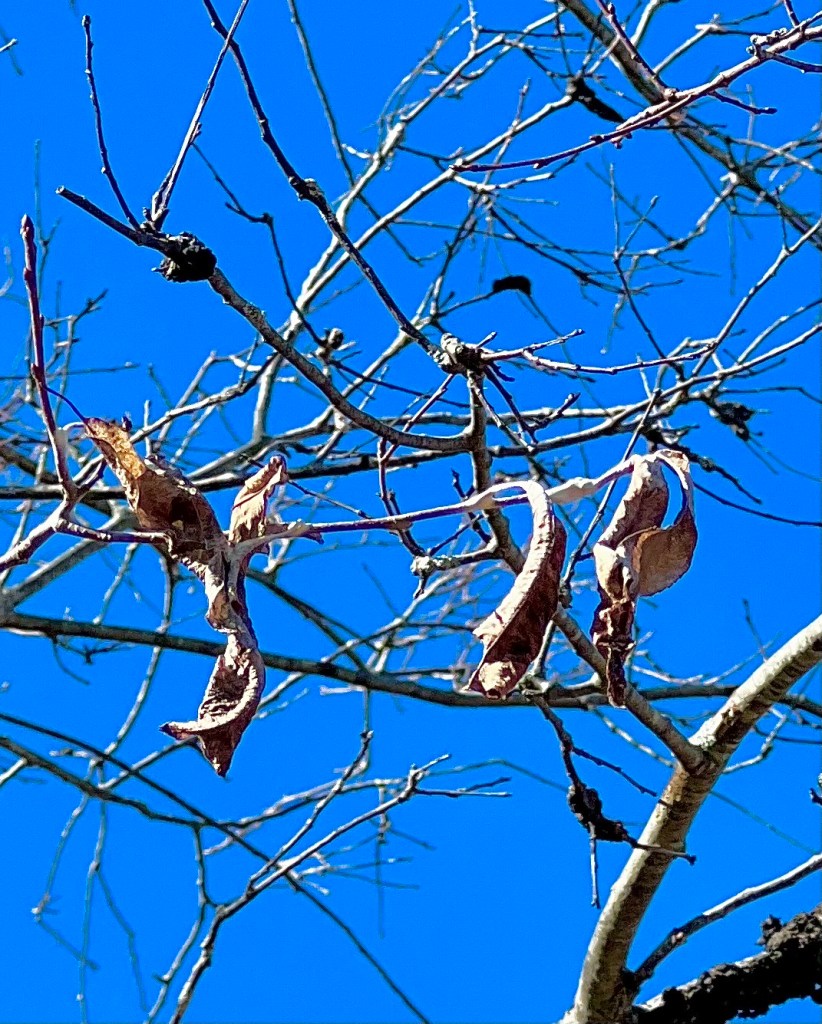
The winter webs of browntail moth. Each small nest contains up to 400 young caterpillars. Although difficult in large trees, removing and destroying nests is the most effective way to manage this pest.

February Monsters of the Month – Lorkai

This first one’s mine. My novels center around the lorkai (singular and plural, like moose). These monsters feed on magical energy. They’re a caster’s worst nightmare.

Like any good immortal species, lorkai are preternaturally strong, fast, and have powers over the mortal mind. What makes them unique is their ability to control humanoid physiology through physical contact–one touch, and it’s over. They steal your energy, your free will, and maybe your life.

If they feed on someone without magic to spare, they take life force. And when they drink from someone bursting with spells, they leave them helpless and enfeebled. The more powerful your magic, the better you taste. That’s what makes poor Sarlona the perfect prey.

These are the monsters that little mages check under their beds for at night, afraid they’ll be left as a drained husk or carried off and kept as livestock. They’re not supposed to exist.

It turns out they do. There just aren’t many left.

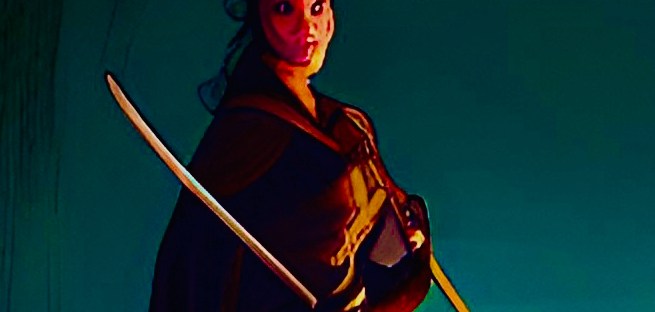
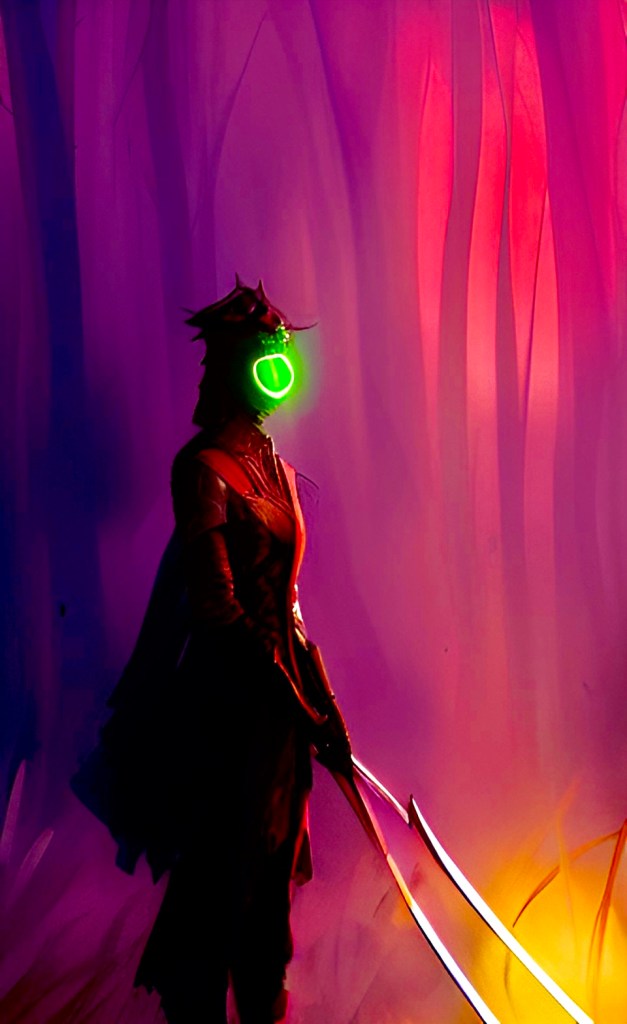
Lorkai are almost impossible to recognize when they want to stay hidden. If you had a magnifying glass, and they deigned to allow an inspection, you might notice the fine seam that runs up the undersides of their arms from the wrist. That’s where they hide their carpal blades—nearly unbreakable swordlike claws that they keep tucked away like folding knives. They use them to drink the magical energy from the earth itself, driving them into the ground and draining every trace of life from the soil around them.

When they don’t mind being seen, lorkai are easy to spot–look for the person with the flaming, color-changing irises, ivory swords jutting from their wrists, and glowing fingertips. Of course, if they let you see them like that, you’re probably food.

Their weaknesses? Fire. But it has to burn them to ash. Anything less will piss them off. They also have no magical ability. They can’t cast so much as a cantrip.

“When I make skin-to-skin contact with a living being, I have complete dominion over their anatomy. Complete. I can make his every nerve scream at once. I can kill the part of his brain that tells him how to swallow. I can rot his heart in his chest, liquefy his bladder, or rip the mineral out of his bones.” -Threats made by a lorkai after two mages wandered into her territory. 

Description. Lorkai are humanoid and indistinguishable from host species when not mimicking prey. Undisguised and at rest, their irises fluoresce multiple colors, often cycling through the visible spectrum every few minutes. Scholars believe this a vestigial trait once used as a form of communication or perhaps a lure to draw mesmerized prey into dark, isolated spaces. Lorkai bear a pair of carpal blades—hinged, swordlike claws that protrude from the inner wrists and can tuck into the undersides of their arms like folding knives. When retracted, the only sign of these appendages is the nearly imperceptible seam into which these appendages disappear. Lorkai use their carpal blades for feeding and defense. Although these claws resemble ivory, they’re stronger than diamond and tougher than mithril.

Distribution. While many believe the lorkai to be a myth concocted to frighten young casters, and others suppose they’ve gone extinct, one remnant population survives in Aven.

Habitat. Lorkai live wherever other humanoid species exist. However, they prefer rural areas.

Diet. Lorkai feed on Marrow—the magical energy that sustains all life. While they can siphon this energy from any living thing, they require the concentrated Marrow of humanoids to stay well. They feed through their fingertips, which glow manna blue as they draw Marrow from their victim. Their abilities allow them to paralyze prey, force them to comply, compel them to volunteer, or augment their memory with the touch.

Lorkai also need the pure, unadulterated Marrow of the earth itself. They feed from it by plunging their claws into the bare ground. Drawing from the land sterilizes it, creating a small dead zone around the lorkai and vaporizing any organisms within range.

Life cycle. Lorkai grow more potent with age. They reach maturity and can reproduce at around a century old. Females can make a child every hundred years or so. Males can only produce one. Young are created from human hosts, fed the lorkai quick. Quick is a highly concentrated Marrow-like substance that changes a host body from the inside out if given around the moment of death. The lorkai regurgitates the reproductive fluid and forces its potential young to swallow it.

The more Marrow-rich the mortal, the more likely they are to survive their transformation and the stronger they will be when made into a lorkai. So casters make for not only ideal prey but perfect children. Unfortunately, some casters find losing their magical abilities too devastating to live with and die by self-immolation.

Bard’s Beat – Bigfoot in Maine

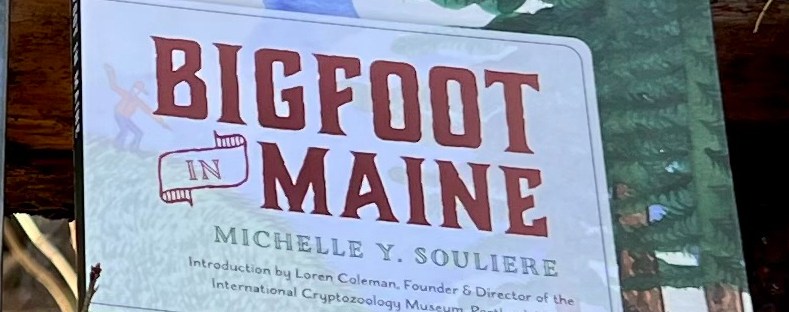
I’m reading Bigfoot in Maine, by Maine author Michelle Souliere. I love monsters, and knowing these are local is so fun for me. It’s a well-written and fabulously researched book. World-renowned cryptozoologist, Loren Coleman, wrote the forward. I met him when I bought it, and he signed it for me!

I’ve always wondered why there aren’t many Sasquatch sightings in Maine. The state is more than 90% forested, with vast tracts of wilderness and lots of woodsy folks to witness the creatures, after all. We also have the highest black bear population in the eastern U.S., so if bigfoot is no more than legend and mistaken identity, you’d think we’d rival Appalachia in sightings. As it turns out, bigfoot has been spotted a lot more often in Maine than I thought. Including a few miles from my childhood home!

I was very skeptical of the Durham/Brunswick sightings before reading the detailed account provided by Souliere’s interview with one of the witnesses. Growing up only three miles from where the first sighting occurred, I spent most of the ’90s in the woods and fields in and around Durham. I rode my freestyle bike all over that town, including down the road where the sightings occurred. I never caught a hint of bigfoot. Don’t get me wrong, the area has its rural, spooky weirdness (how could it not when Stephen King grew up there?), but it isn’t the Maine wilderness you find so much of to the north. It didn’t feel like Sasquatch country. Granted, I pedaled those roads twenty years after the sightings. Things change. That area has sure as hells changed a lot since they were my stomping grounds. Then again, it wouldn’t surprise me to hear if the region was more forested in the ’90s than in the ’70s. In the ’70s, many more farms were probably hanging on and fewer fields had had the decades to grow back into forests. 

But regardless of how bigfoot-y the habitat, I’m intrigued by the accounts. Having seen something unexplained myself as a kid, I believe people when they say the same. I can picture myself riding ahead on that road, stopping to straddle my bike, waiting for a friend or sibling to catch up, then glancing into the woods. I wish I had known about these sightings as a kid. You can bet I’d have been looking for bigfoot! 

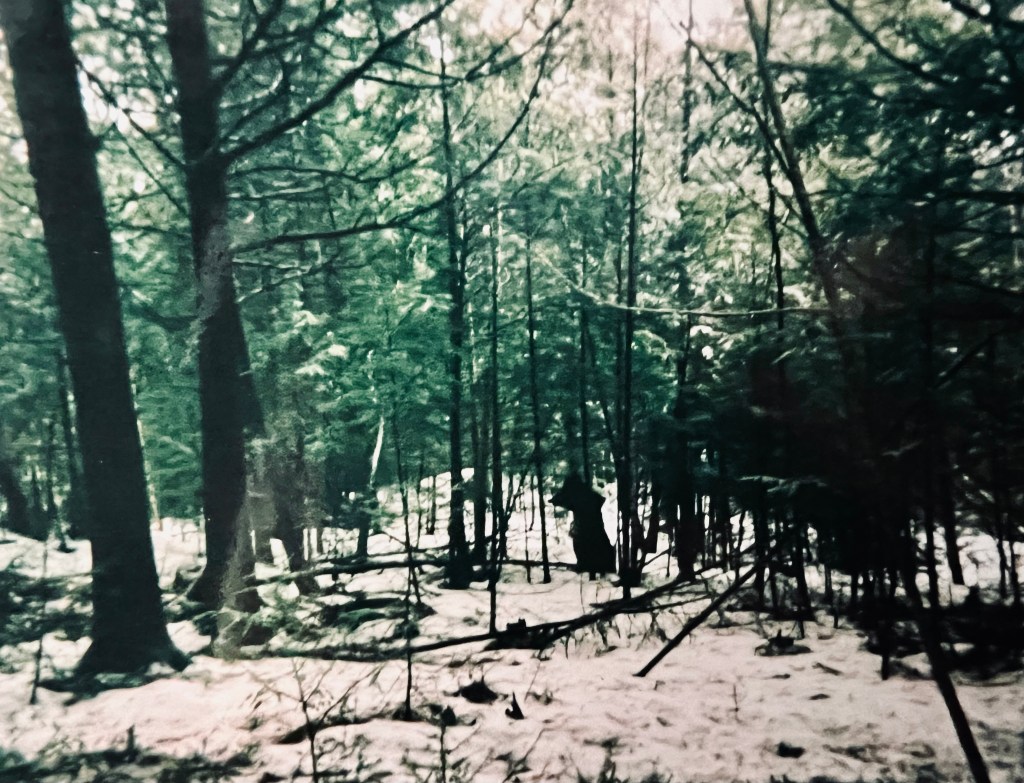
Hilariously, one of my brothers, our friend from up the road, and I perpetrated a bigfoot hoax as young teens. We were upset that the farm across the street had been shut down and subdivided to make way for the construction of extravagant homes. What better way to protest than to create a monster to scare people off? We wrapped my friend in trash bags in the woods and tried to take a blurry picture. Now I can’t help imagining a real-life creature in those woods, watching as we took pictures and wondering what those mangy monkeys were up to.

Short, trashy bigfoot on the Freeport-Durham line circa 2000.

The picture was, let’s say, less than convincing. I don’t think we showed it to anyone (until now!) or tried to spread our rumor of the short, shiny, dangerous beast, but we did name it. We called it Torborg—a name I’ve recycled. Torborg morphed from a hairy beast in Durham into a young, orcish man in Aven. For now, he lives only in unpublished works, but I’m sure you’ll meet him someday.

Another tie to bigfoot and Durham is my 7-year-old’s report from over the holidays. She stayed with my mom for a few days over her winter break and called one night to tell me she saw “him”. The kiddo spotted bigfoot walking down the road. Disturbingly, she also reported a big face watching her from the woods. I’m 97% sure she concocted both sightings to mess with me.

Personal ties and nostalgia aside, Bigfoot in Maine is an excellent read. Souliere’s historical bent, objectivity, and palpable respect for eyewitnesses set this work apart. I highly recommend it to Mainers, folks who want to visit the north woods, and anyone interested in bigfoot.

Welcome

Welcome to the Druid’s Den, my blog about all things natural and fantastical.

Although I practiced Druidism in my twenties, my blog honors my druid heroine, Sarlona, and leans toward the fun and weird.

When the mood strikes, I feature a monster—real or alive in our imaginations, if nowhere else.

In addition to monsters, expect a healthy dose of nature, plenty of Maine, a sprinkling of magic, and perhaps ramblings on writing, book recommendations, or a cute pet picture or two. 

Thanks for visiting!

Sign up for the Druid’s Den Newsletter to stay up to date with blog posts, events, promotions, and book news.