

February is browntail moth awareness month in Maine.
The browntail moth (Euproctis chrysorrhoea) is a real-life monster of Maine. Often described as “flying poison ivy”, it can be a literal pain in the ass (especially if you dry your underwear by clothesline). While the adult moth is harmless, if not cute, its nightmarish caterpillars arm themselves with barbed, toxic hairs that embed in the skin. One might think to escape the caterpillars’ wrath by avoiding contact with them, but that’s easier said than done amidst an outbreak. Never mind that they shed their hairs every time they molt, raining them down from the treetops. Those tiny, noxious harpoons can stay active in the environment for up to three years, turning yard work from a task to a trial. For those with sensitive lungs, stirring them up on a dry day might mean a trip to the hospital beside the nasty rash.
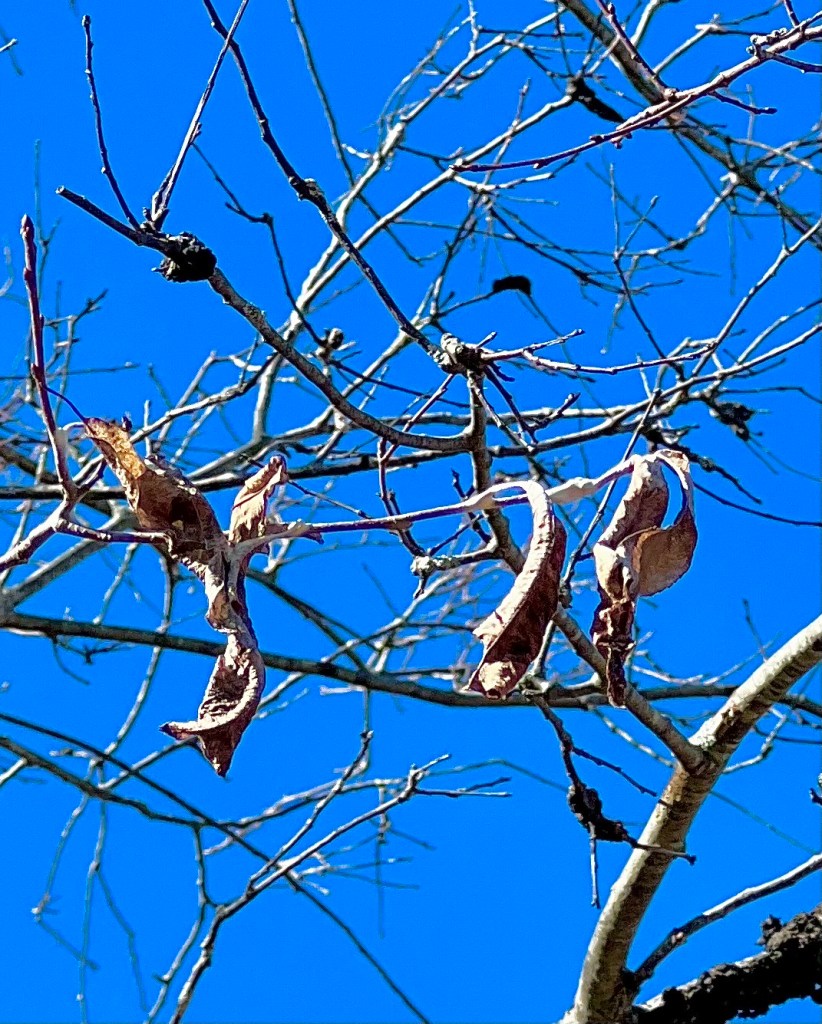
Description. Fittingly hideous, the caterpillars are a drab brownish gray and sparsely covered in long, spiny, rust-colored hairs. They have broken yellow-white strips down either side of their backs and bear a pair of conspicuous red-orange spots near their posteriors. Adult moths are furry, little, snow-white chonks with tufts of cinnamon-brown hair at the end of their abdomens. Caterpillars build small nests in which to overwinter at the tips of branches. The gleaming, stark white silk that binds the base of leaves makes the nests easy to identify on sunny winter days.
Distribution. After almost a century of exile on a few coastal islands, this monster has spent the last decade or so rampaging halfway up the state with a vengeance. Though it spread throughout New England, New Brunswick, and Nova Scotia during its first outbreak in the early 1900s, today, this curse afflicts little beyond Maine’s state lines.
Habitat. These wriggly beasts thrive along the coast and in the Augusta area. Warm, dry springs seem to favor high populations.
Diet. Caterpillars feed on hardwood species, especially oak, birch, and fruit trees. They branch out when desperate, even sampling conifers at high populations. They can cause significant defoliation in deciduous forests.
Life cycle. Eggs hatch in late summer, and caterpillars feed briefly before building small, communal nests at the tips of branches, where they spend the winter.
Battle plan. Arm yourself with clippers and poll pruners when warring with the browntail moth. Though labor intensive, removing the winter webs from trees provides the best and most environmentally friendly chance of victory. Large trees may require a bucket truck or a licensed arborist. Make sure to destroy the nests with fire or soapy water once excised. If resorting to chemical warfare, hire a professional. Treat as soon as caterpillars have left their winter webs. Late spring and early summer applications won’t kill many caterpillars or prevent the toxic hairs from building up in the landscape. Engaging adult moths in battle isn’t recommended.
Resources – For more on the browntail moth, see the Maine Forest Service or University of Maine Cooperative Extension.
 K.W. Bernard