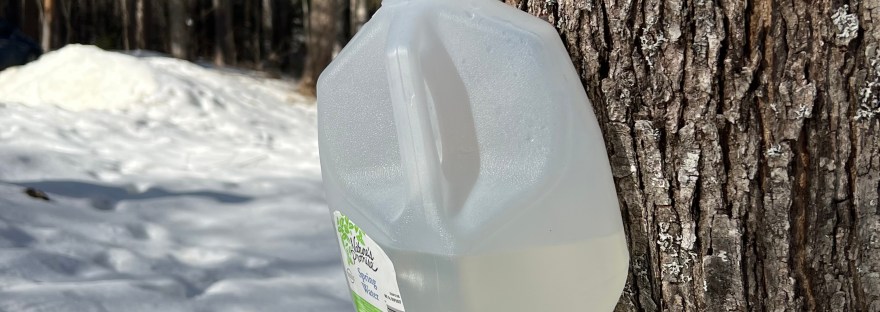
March arrived with lengthening days, fluffy snow, and warmer temperatures. Morning light means I’m jogging again (and limping around the rest of the day). The freezing nights and warm days midmonth had the sap flowing faster than I could keep up with. Every year I plan to upgrade my equipment. Yet again, milk jugs hung from my trees. Want to tap trees yourself next year? Check out UMaine Extension’s backyard sugaring resources to learn how to do it right.
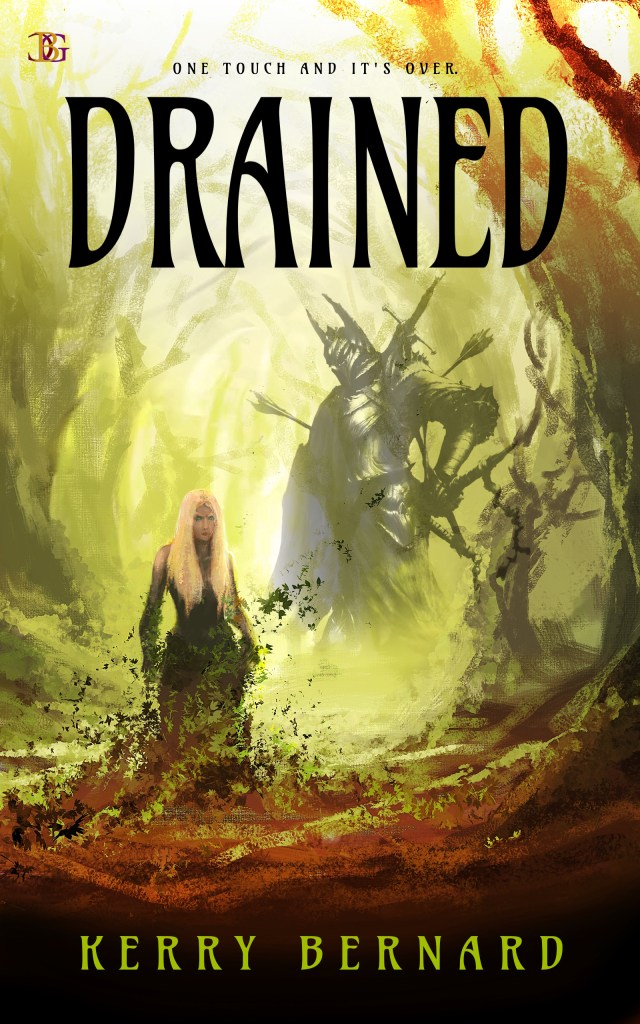
Drained debuts next month! NEXT. MONTH.
I’m seriously losing my mind knowing that these characters I’ve lived with for so long are going out into the world🎉And…I have a cover! Here’s a sneak peek!
Happy Vernal Equinox
The first day of spring was March 20th. Modern druids celebrate it as Alban Eilir. It’s a time to welcome burgeoning life, contemplate the balance of light and dark, and honor the maiden and stirring sun deities.
In the News
I made the newspaper! Not for my writing, though. It had to do with using hydrogen peroxide on houseplants. Unfortunately, some of the information I tried to convey was lost, and there’s a bit of a misquote at the end. Here’s the critical part of the message—don’t make your own pesticides. If you want to control a pest with a chemical, choose a registered product labeled for that use and follow the directions perfectly.
Maine Magic
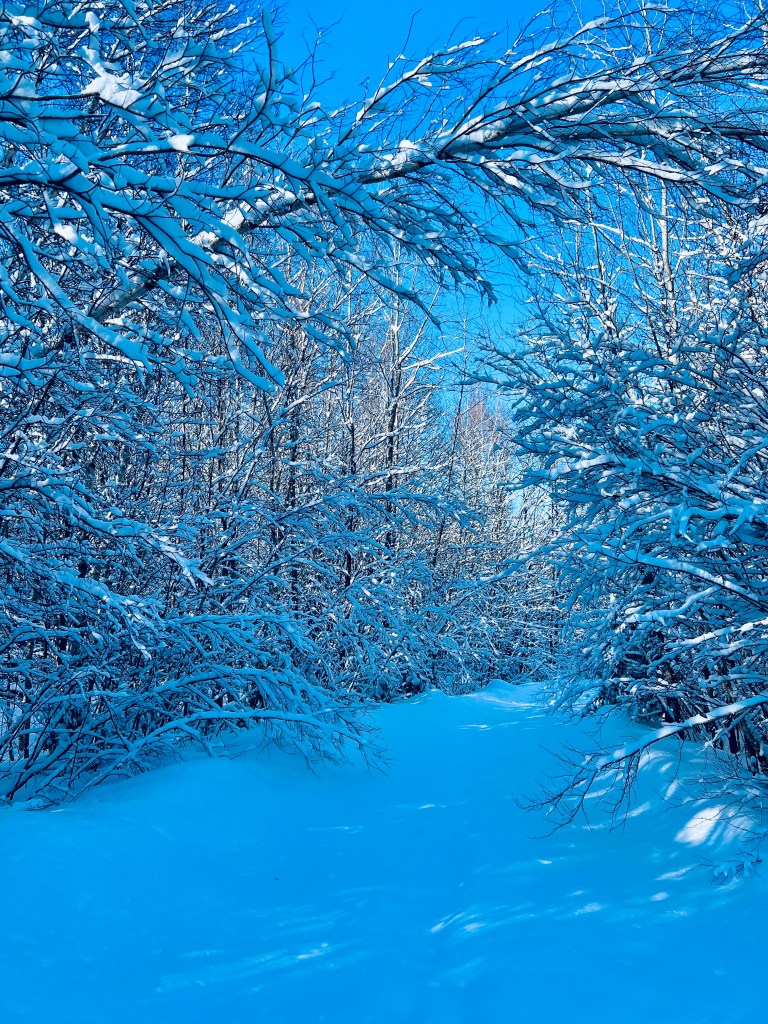
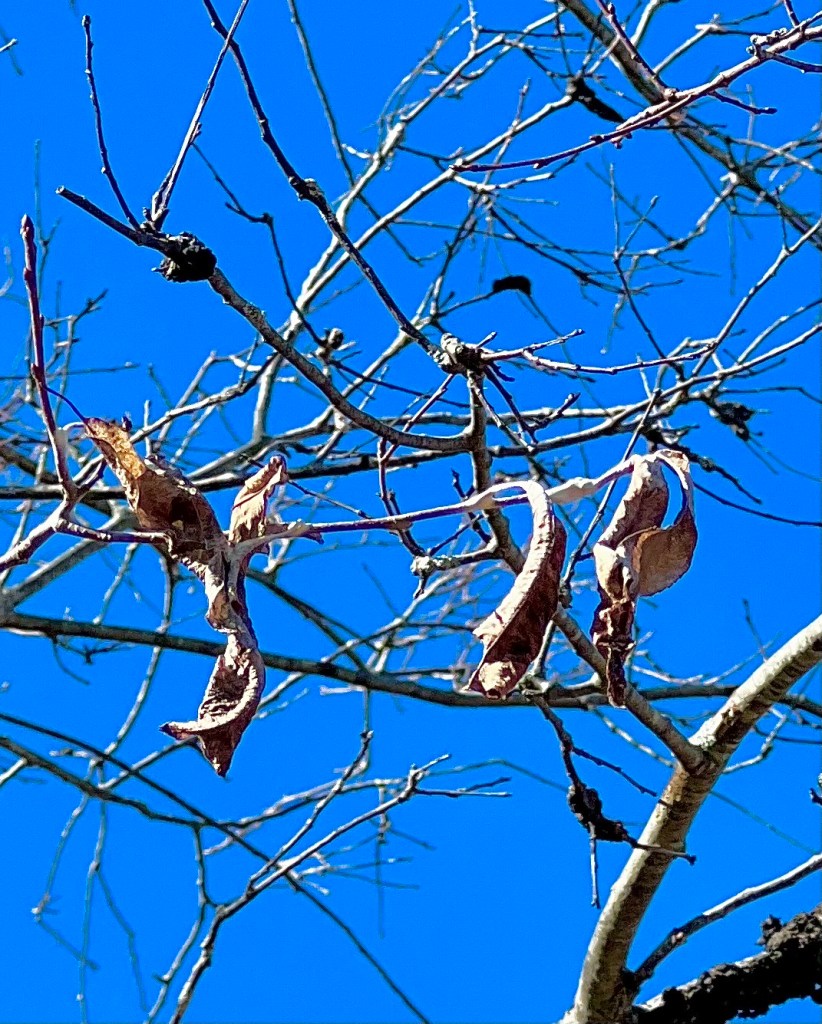
A sunny day after overnight snow is called a bluebird day. There’s something magical about the crisp white against the deep blue sky.
The Menagerie
We had Ray neutered this month. It hasn’t slowed him down at all. Reld’s transformation into an ogre is almost complete.
Happy Birthday
My amazing grandmother turned 90 this week. Happy birthday, Gram!
February is almost over, and what a month! It arrived with a burst of subzero temperatures in Maine. In the first week, it plummeted to -22 F, -44 with windchill. Two weeks later, it was raining. My dad, who just turned 73, said it’s the first time in his entire life it has rained on his birthday. Find a middle ground, February.
Big announcement! My debut novel, Drained, will be released on April 10th by Champagne Book Group! Becoming a published author is a dream come true for me. I can’t believe it’s happening!
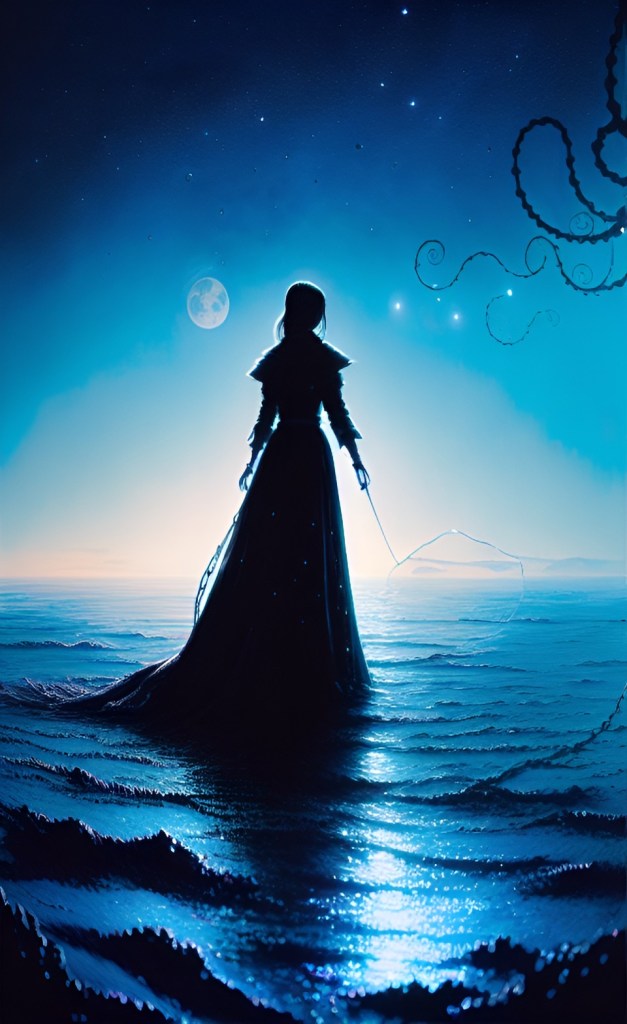
A powerful druidess overlooks a calm, moonlit sea, oblivious to the encroaching nightmare.
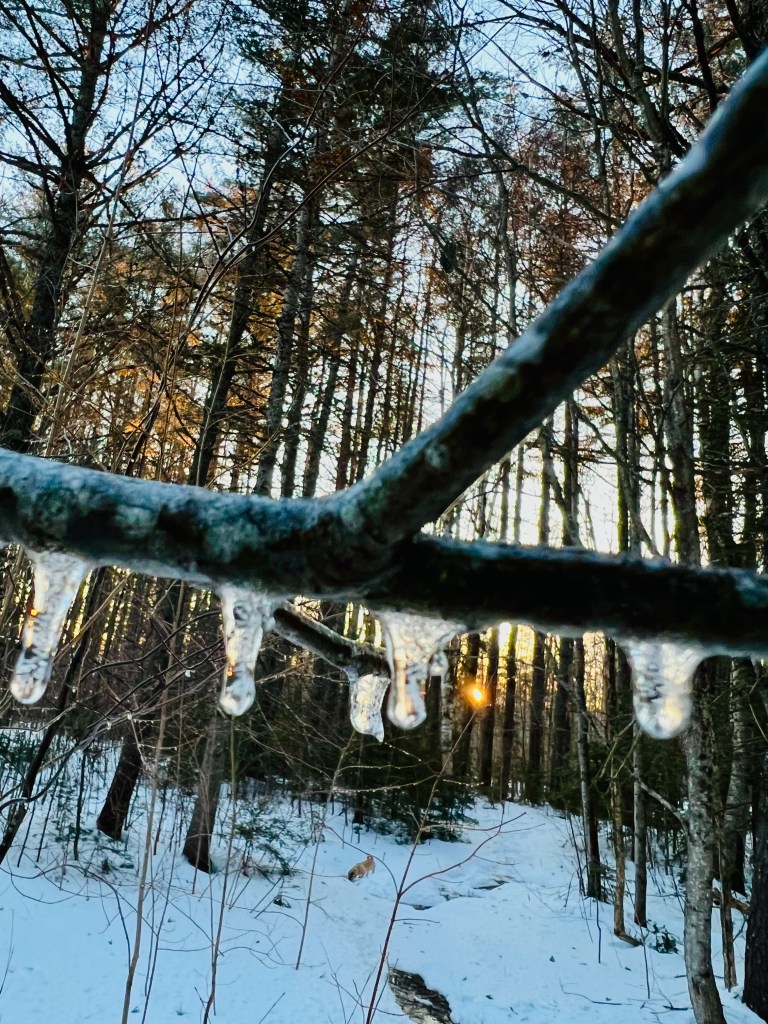
Maine Magic
One of my favorite February photos, taken in my backyard at sunrise.
The Menagerie
Our pug mix, Reld, had surgery to remove a rapidly growing lump from her throat. The tumor came back benign, and she’s healing up well. The new puppy, Ray, started doggy daycare this month. We hope it will make him less neurotic than Reld. Pan, the forest cat, continues to accompany me on my winter walks in the woods. Summer cat’s new hobby is taking my gloves off the shelf by the door and depositing them around the house. I have no idea what she’s trying to accomplish. My human kiddo scored her first basket at her first game of the year.
The browntail moth (Euproctis chrysorrhoea) is a real-life monster of Maine. Often described as “flying poison ivy”, it can be a literal pain in the ass (especially if you dry your underwear by clothesline). While the adult moth is harmless, if not cute, its nightmarish caterpillars arm themselves with barbed, toxic hairs that embed in the skin. One might think to escape the caterpillars’ wrath by avoiding contact with them, but that’s easier said than done amidst an outbreak. Never mind that they shed their hairs every time they molt, raining them down from the treetops. Those tiny, noxious harpoons can stay active in the environment for up to three years, turning yard work from a task to a trial. For those with sensitive lungs, stirring them up on a dry day might mean a trip to the hospital beside the nasty rash.
Description. Fittingly hideous, the caterpillars are a drab brownish gray and sparsely covered in long, spiny, rust-colored hairs. They have broken yellow-white strips down either side of their backs and bear a pair of conspicuous red-orange spots near their posteriors. Adult moths are furry, little, snow-white chonks with tufts of cinnamon-brown hair at the end of their abdomens. Caterpillars build small nests in which to overwinter at the tips of branches. The gleaming, stark white silk that binds the base of leaves makes the nests easy to identify on sunny winter days.
Distribution. After almost a century of exile on a few coastal islands, this monster has spent the last decade or so rampaging halfway up the state with a vengeance. Though it spread throughout New England, New Brunswick, and Nova Scotia during its first outbreak in the early 1900s, today, this curse afflicts little beyond Maine’s state lines.
Habitat. These wriggly beasts thrive along the coast and in the Augusta area. Warm, dry springs seem to favor high populations.
Diet. Caterpillars feed on hardwood species, especially oak, birch, and fruit trees. They branch out when desperate, even sampling conifers at high populations. They can cause significant defoliation in deciduous forests.
Life cycle. Eggs hatch in late summer, and caterpillars feed briefly before building small, communal nests at the tips of branches, where they spend the winter.
Battle plan. Arm yourself with clippers and poll pruners when warring with the browntail moth. Though labor intensive, removing the winter webs from trees provides the best and most environmentally friendly chance of victory. Large trees may require a bucket truck or a licensed arborist. Make sure to destroy the nests with fire or soapy water once excised. If resorting to chemical warfare, hire a professional. Treat as soon as caterpillars have left their winter webs. Late spring and early summer applications won’t kill many caterpillars or prevent the toxic hairs from building up in the landscape. Engaging adult moths in battle isn’t recommended.
The winter webs of browntail moth. Each small nest contains up to 400 young caterpillars. Although difficult in large trees, removing and destroying nests is the most effective way to manage this pest.
Welcome to the Druid’s Den, my blog about all things natural and fantastical.
Although I practiced Druidism in my twenties, my blog honors my druid heroine, Sarlona, and leans toward the fun and weird.
When the mood strikes, I feature a monster—real or alive in our imaginations, if nowhere else.
In addition to monsters, expect a healthy dose of nature, plenty of Maine, a sprinkling of magic, and perhaps ramblings on writing, book recommendations, or a cute pet picture or two.
Thanks for visiting!
Sign up for the Druid’s Den Newsletter to stay up to date with blog posts, events, promotions, and book news.




 K.W. Bernard